Mortuary Training at East London Forensic Centre

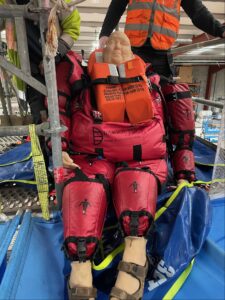
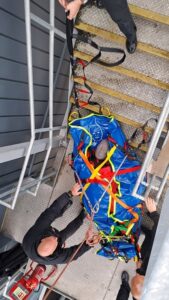
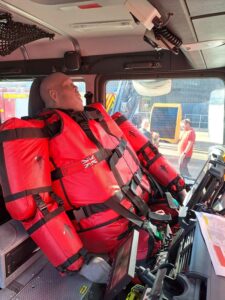
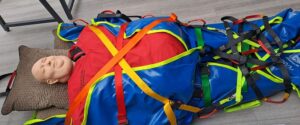
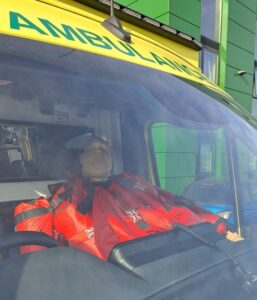
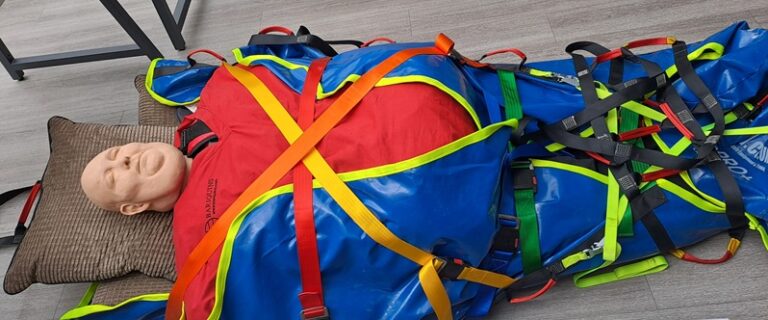
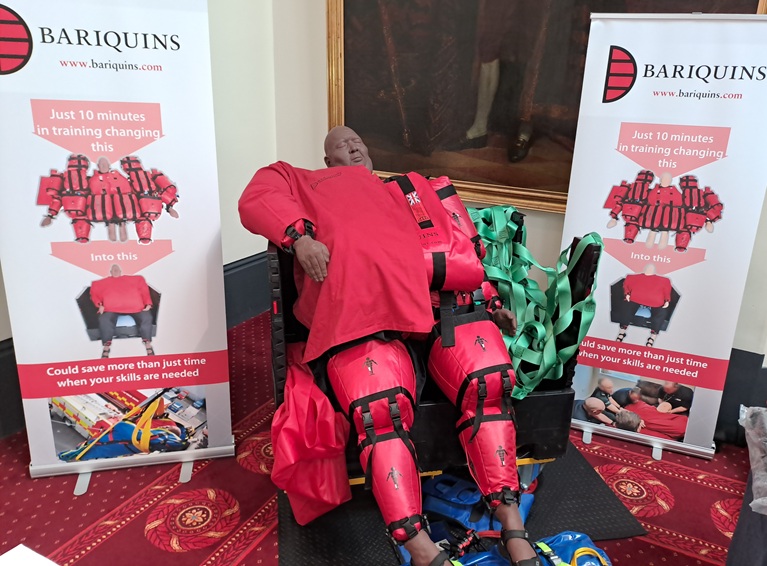
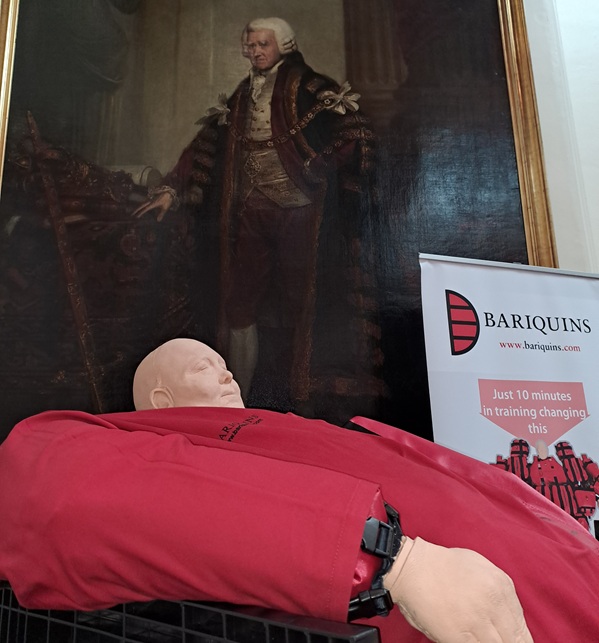
We’re proud to share that Bariquins recently provided training at the East London Forensic Centre to support Mortuary Staff and Mortuary Logistics Staff with realistic training in the handling of bariatric deceased individuals.
The collaboration brought Bariquins into one of the UK’s most forward-thinking forensic facilities. Located in Walthamstow, the £8.3 million East London Forensic Centre features state-of-the-art post-mortem imaging and serves multiple London boroughs, handling a wide range of forensic and coroners’ cases.
As obesity rates continue to rise, mortuary professionals face increasing physical and procedural challenges. During the recent training course, mortuary and logistics staff were able to practise safe lifting, turning, and positioning techniques in both traditional and minimally invasive post-mortem environments. The training ensures that all procedures can be carried out with dignity, cultural sensitivity, and without injury to staff.
Feedback from the attendees, who all enjoyed the course included “It was useful to have hands on experience of a bariatric mannequin without the risk of damaging a real body.” and “Good to practice with a bariatric model and learn new techniques.”
Training with the Bariquins will help the mortuary staff to prepare for the practical realities of contemporary forensic work on bariatric bodies, from respectful transportation to scanning table placement, without compromising their safety or sensitivity.
This initiative not only enhances operational readiness but sets a new training benchmark in forensic pathology. By partnering with providers like Bariquins, the East London Forensic Centre demonstrates its commitment to leading-edge techniques, compassionate care, and professional excellence.
For more about Bariquins or to enquire about training packages, please email us on
training@bariquins.com

Barry & Benny’s Round-Up
In this regular section, we look at news and other pieces of interest that have occurred since the last newsletter.
Headlines, reports and articles from around the world that have caught our attention recently are given below.
———————————————–
Starting with the UK:
New figures show that the number of call-outs for fire crews to assist people living with obesity in Scotland has soared by 52% in just four years. Read more here.
At least a third of adults are living with obesity in more areas of England. The Midlands and the North-East of England are the worst affected. More here.
Here’s a full list of the proportion of adults in England estimated to be living with obesity in 2023/24, broken down by local authority area. Check your area here.
And from the UK to the Rest of the World:
From The Lancet, Global, Regional and National prevalence of adult overweight and obesity, 1990–2021, with forecasts to 2050: a forecasted increase of 121% in the next 30 years. Details here.
Türkiye is experiencing the sharpest rise in obesity. By 2030, it’s estimated that 27 million people in Turkey (one in three) will be obese. See here.
A study shows that the obesity rate in Cyprus is now at 16.9%. View more here.
India has become concerned over an obesity crisis, as it has the second-highest number of overweight or obese adults in 2021 – 180million affected. Read more here.
In Kenya, they’re facing rising obesity amid triple burden of malnutrition. Read here.
In Pakistan, over 70% of young Pakistanis are living with obesity, with most at risk of early heart attacks. Details here.
Kuwait’s obesity rate, estimated at 36 to 37.7%, is among the highest in the Gulf region. More here.
Nearly 1 in 4 adults in Finland is significantly obese, according to new figures from the Finnish Institute for Health and Welfare. See here.
The cost of obesity in Ireland is expected to reach €13 billion by 2030, with 60 per cent of adults overweight or living with obesity. Read more here.
In the past 20 years, the average rate of obesity among adults in the United States has risen by approximately 30%. However, those with the most severe forms of obesity, the rate has increased by 210%. More details here.
Look out for more similar stories and information regarding obesity in our next newsletter.

Time to Face the Facts…
Here are five quick facts about how the obesity is still impactive after death.
Handling and transport pose serious injury risks to mortuary staff: In one UK mortuary, among nine staff handling such cases, one had two hernias, another suffered a slipped disc, and two more had neck/wrist issues
Source
Cremation of obese bodies risks equipment damage and safety issues: High body fat content can generate excessive heat during cremation, causing equipment damage, fires, smoke plumes, and even “explosions” from escaping fat
Source
Difficulty in determining cause of death: Morbid obesity accelerates decomposition, further complicating pathology (difficult positioning, concealed skin folds, rapid decay) and making determination of cause of death more challenging
Source
Handling risk during the funeral: Pallbearers frequently suffer sprains, shoulder/back injuries, and in some cases broken bones while handling these oversized coffins
Source
Lack of equipment: Many mortuaries lack sufficiently large fridges, post mortem tables, or hoists—leading to slower body cooling, accelerated decomposition, skin slippage, and fluid leakage that further complicate handling.
Source
————————————
Until the next newsletter,
Stay Safe and Healthy.
|