




| In this newsletter: Quarterly Quotes Bariquins Becomes the Preferred Training Partner of UKDVI Barry & Benny’s Round-Up Time to Face the Facts… Please scroll down for all the details. |
| Quarterly Quotes From Our Customers: “Excellent. Given us realistic practice for manoeuvring and handling of a bariatric casualty.” “Good realistic weight and the most realistic aid we have had.” “This mannequin gives such a great level of realism to our training in size, body make up and realism of movement.” |

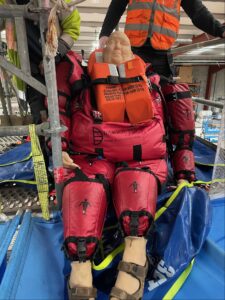
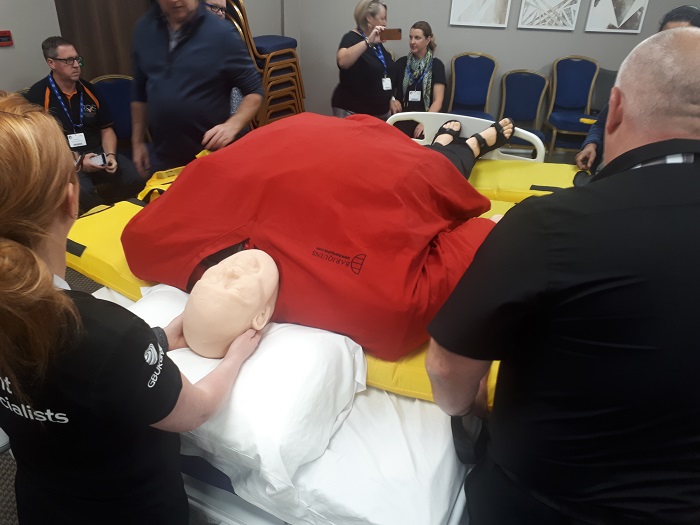
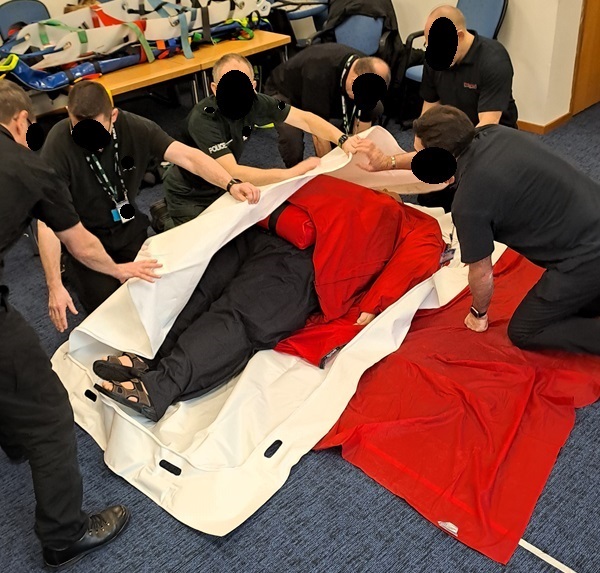
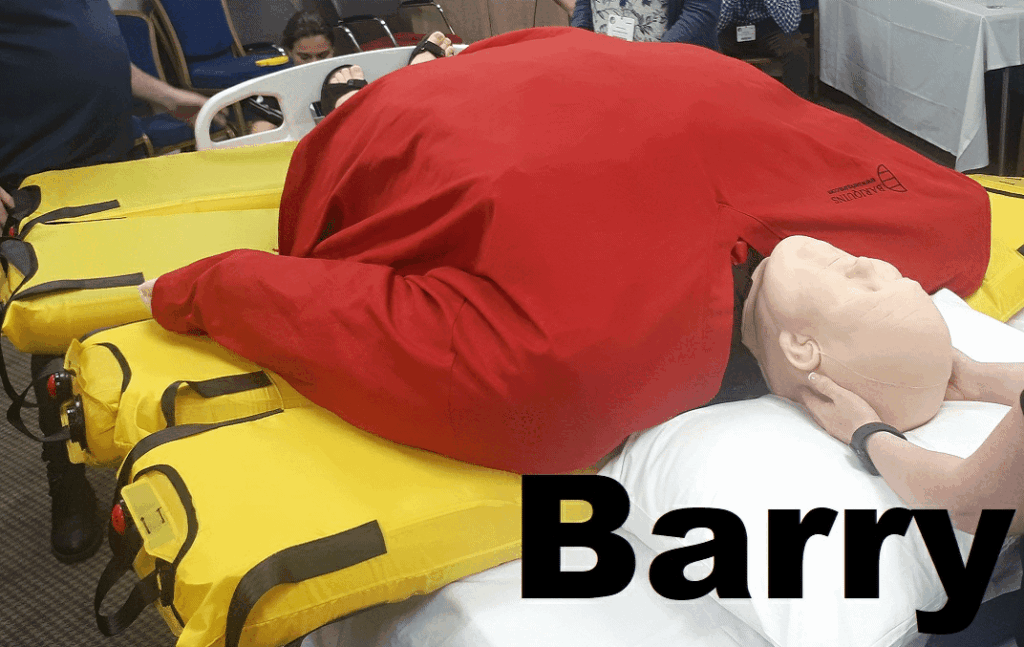
| Bariquins Becomes the Preferred Training Partner of UK Disaster Victim Identification Many of you will recall that back in the Spring 2024 newsletter, we gave details of providing a series of training courses with some members of the UK Disaster Victim Identification team. For those who missed the newsletter or who cannot recall what the UKDVI do, here’s a brief reminder.Disaster Victim Identification are the people responsible for dealing with the aftermath of a mass fatality casualty event. The cause of that event may be natural, such as an earthquake; an accident, like a train or a plane crash or due to an act of terrorism. Officers from their team, due to their specialist DVI training, were becoming more and more involved in the recovery of ‘Complicated Deaths’ in their own Police force areas. Many of these complicated deaths were classified as bariatric, due to the size and weight of the deceased involved. Due to the prevalence of obesity in the general society, there is also an appreciation that some of the casualties in any mass fatality will also be classed as bariatric. Hence the reason why UK DVI approached Bariquins for their expertise in moving and handling people living with obesity. Bariquins has now been named the preferred training partner for the UK’s Disaster Victim Identification team. This development highlights the growing need for specialized training in bariatric moving and handling, particularly in the emergency and disaster management sectors. The DVI team, tasked with identifying victims of mass casualties, faces unique challenges when managing the recovery and handling of larger or bariatric bodies. Given the increasing prevalence of obesity in the UK, the team recognized the importance of proper training to safely and respectfully handle bariatric individuals, particularly in challenging environments like disaster scenes. Bariquins stepped in to address this need, supplying training along with their realistic mannequins that mimic the weight, distribution, and handling characteristics of the bodies of those who had been living with obesity. Unlike traditional mannequins, Bariquins’ training dummies are designed with detachable weighted components. This feature allows the mannequins to realistically simulate the physical dynamics of moving and lifting a bariatric person, whether complete cadavers, amputee victims or even mutilated casualties. Such realism is crucial for preparing DVI teams for real-world scenarios, where improper handling can lead to injury or ineffective recovery. This partnership between Bariquins and the DVI team ensures that team members receive hands-on, practical experience in bariatric moving and handling techniques. This training not only reduces the risk of injury to personnel but also improves the dignity and care with which bariatric victims are handled during disaster response. The feedback from initial training sessions has been overwhelmingly positive, with many DVI members highlighting the practical benefits of training with Bariquins’ mannequins over traditional methods. As the obesity rate continues to rise, the demand for specialized bariatric training in various sectors, including emergency services, is expected to grow. Bariquins’ role as the DVI team’s preferred training partner reflects the company’s commitment to meeting these evolving needs with innovative and practical solutions.If you would like more information about our Bariquins, our training courses or other equipment that we provide, please contact us on info@bariquins.com |
Barry & Benny’s Round-Up In this regular section, we look at news and other pieces of interest that have occurred since the last newsletter. Headlines, reports and articles from around the world that have caught our attention recently are given below. ———————————————– Starting with the global outlook: The 20 most obese countries in the world, with the United States, the biggest buyer of weight loss drugs, not in the top 10. More here. New map shows which states in the US are the most overweight. Obesity costs the U.S. healthcare system nearly $173 billion annually. See here. Some of the world’s leading experts on obesity have warned that obesity has now become a global pandemic, as mentioned here. With half its adult population now rated as overweight or obese, China is promoting weight control through a new public awareness campaign. Read more here. Estimates show that the adult obesity rate in India has more than tripled with the incidence of obesity in urban India at nearly 30% in men, as mentioned here. Obesity is one of the most pressing health concerns in Malaysia, with nearly 20% of its population classified as obese. The World Obesity Atlas projects that this number could increase to 41% by 2035. More details here. Obesity has doubled among Asian New Zealanders over the past 20 years to 53%, as described here. And from the UK: Firefighters were called out more than 2,000 times to help move people living with obesity last year, one every four hours and nearly five times as many as ten years ago. More information here. The UK Fire statistics incident level datasets have been released, including non-fire incidents of bariatric person assistance guidance and non-fire incidents bariatric assistance dataset. The datasets are here. And from Europe regarding the measurement of obesity: Beyond BMI: New framework for obesity diagnosis prioritizes overall health. Fore more details, see here. Look out for more similar stories and information regarding obesity in our next newsletter. |
 Time to Face the Facts… Here are five quick facts about global obesity trends in 2024: Global Obesity Numbers: Over 1 billion people worldwide are now living with obesity, including nearly 880 million adults and 159 million children aged 5-19. The number is projected to rise to 1.53 billion adults by 2035 (World Obesity Federation) (World Obesity Federation). Childhood Obesity Surge: Childhood obesity has surged dramatically, increasing nearly tenfold between 1975 and 2022. Currently, nearly 20% of children and adolescents (aged 5-19) are affected (World Obesity Federation) (World Obesity Federation). Low- and Middle-Income Countries (LMICs): By 2035, 79% of adults and 88% of children with overweight or obesity will live in LMICs, highlighting the socioeconomic divide in obesity prevalence (World Obesity Federation). Health Consequences: Obesity is now the most common form of malnutrition globally, surpassing underweight in most regions. It is linked to increased risks of diseases like diabetes, heart disease, and cancer (World Obesity Federation) (UPI). Rising Obesity in High-Income Nations: In countries like the U.S., obesity has more than doubled in recent decades, with 44% of women and 42% of men now classified as obese (UPI). These facts demonstrate the growing global challenge of obesity and its profound health impacts, especially in lower-income regions. |
| ———————————— Until the next newsletter, Stay Safe and Healthy. ———————————— |
