
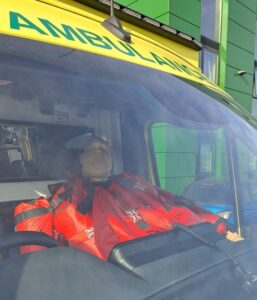

Welcome to the Winter 2024 edition of the quarterly Bariquins‘ newsletter
In this newsletter:
- Quarterly Quotes
- Bariquins at The Second Arabic Resuscitation Council Conference
- Barry & Benny’s Round-Up
- Time to Face the Facts…
Please scroll down for all the details.
Quarterly Quotes
From Our Customers
- “Has provided us with a more realistic approach to our training. Heavier and removable limb options very beneficial.”
- “Gives the flexibility to build in almost any scenario but with the advantage of able to set up solo if needed due to ability to break him down.”
- “Enjoyed the course, lots of discussion & opportunity to practice skills aligned to bariatric training.”
Bariquins at The Second Arabic Resuscitation Council Conference
The 2nd Arab Resuscitation Council (ARC) Conference was held during November 2024 and brought together healthcare professionals, educators, and innovators from across the 22 Arab countries covered by the ARC. The conference, held in Dubai, was organised to focus on advancing resuscitation techniques and improving outcomes in critical care.
One of the areas that had been highlighted for discussion was that of the bariatric patient. As obesity rates are high among Gulf Cooperation Council countries, this is a topic of concern there. In the United Arab Emirates themselves, obesity rates are around 30% for men and 33% for women. Similarly, in Saudi Arabia, around 37% of the adult population is living with obesity.
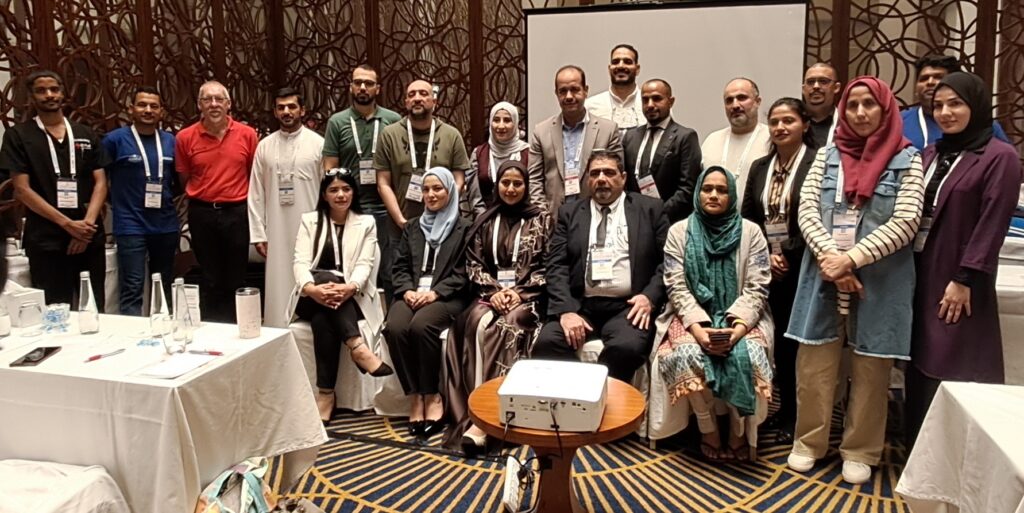
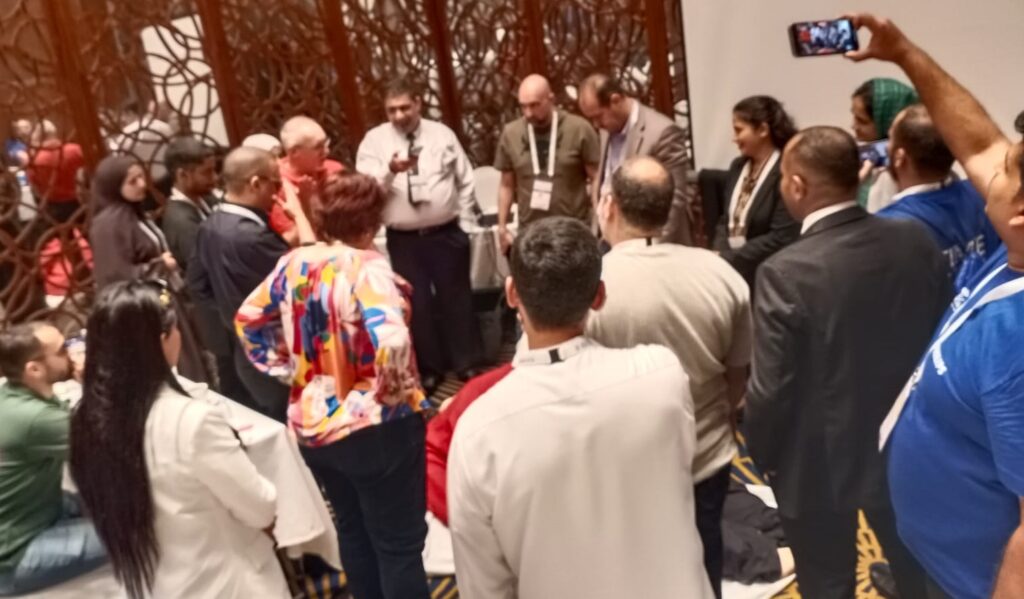
Bariquins, together with our colleagues at ARASCA, were privileged to be part of the conference by providing a workshop in bariatric resuscitation. As part of the exhibition, too, we showcased our realistic bariatric training manikins, which conference delegates were very impressed with.
For a montage of the events, click on the image below to see the short video.
Addressing a Critical Gap in Training
Patients living with obesity present extra challenges during resuscitation and emergency care. Simple moving and handling movements and performing effective chest compressions mean standard training manikins often fail to replicate the complexities of treating bariatric patients. This gap in simulation training can leave medical professionals and first responders underprepared for real-life emergencies.
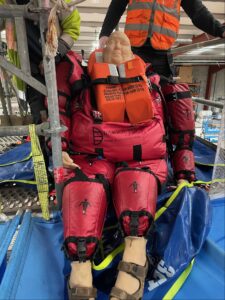
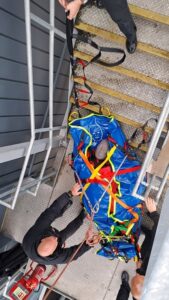
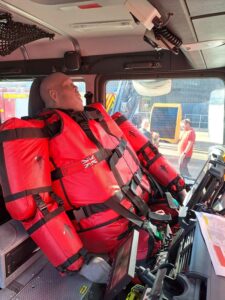
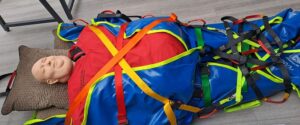
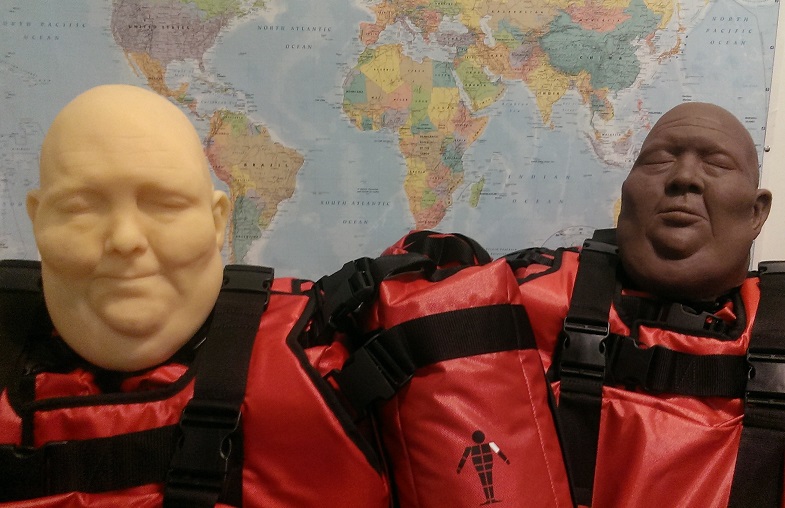
Bariquins addresses this gap by offering a lifelike and modular training manikin. Designed for ease of transport and assembly, our Bariquins enable teams to practice scenarios ranging from CPR to patient handling and evacuation, enhancing preparedness and safety for both caregivers and their patients.
Bariquins stepped in to address this need, supplying training along with their realistic mannequins that mimic the weight, distribution, and handling characteristics of the bodies of those who had been living with obesity.
Demonstrations and Engagement at the ARC Conference
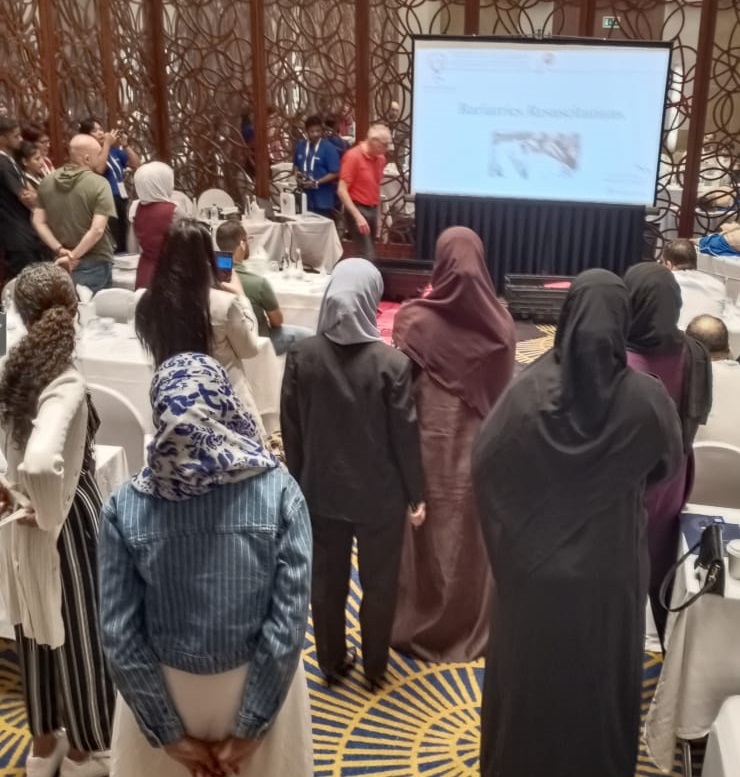
At the ARC Conference, Bariquins hosted a live demonstration showcasing the functionality and versatility of our manikins. Healthcare professionals eagerly explained how our realistic (in terms of weight, weight distribution and size) our Bariquins could be integrated into their resuscitation training programs as well as in general healthcare education. This is especially significant for these regions where the rates of obesity are rising. The hands-on session was well-received, sparking discussions about the importance of inclusive training.
Many medical practitioners praised us for our innovative approach to addressing an often-overlooked aspect of patient care. One of the attendees even went so far as to say about the Bariquin: ‘This is the best product that I have seen. Ever’.
A Step Forward in Inclusive Resuscitation Training
The presence of Bariquins at the ARC Conference highlights a broader shift in the healthcare industry towards inclusive and comprehensive training practices. As the prevalence of obesity continues to grow globally, tools like these will play a crucial role in ensuring that medical teams are equipped to provide equitable and effective care for all patients, particularly those living with obesity.
The 2nd Arab Resuscitation Council Conference served as a valuable platform for showcasing such innovations and fostering collaborations that prioritize excellence in patient care. Bariquins’ contribution underscored the event’s theme of advancing resuscitation science while championing diversity in medical training.
If you would like more information about our Bariquins, our training courses or other equipment that we provide, please contact us on
Barry & Benny’s Round-Up
In this regular section, we look at news and other pieces of interest that have occurred since the last newsletter.
Headlines, reports and articles from around the world that have caught our attention recently are given below.
———————————————–
Let’s start with the UK and Ireland:
- Moving bariatric corpses is a major safety hazard for NHS staff as more British people are living with obesity. More here.
- And not just the NHS staff it seems, as undertakers are also struggling under the weight of coffins amid obesity epidemic. See here.
- In Ireland, a nurse who suffered injury whilst trying to move a patient living with severe obesity wins her discrimination case, as mentioned here.
- The Scottish Health Survey for 2023 found 32% of adults were living with obesity. Read more here.
- For those of you who work shifts, researchers have found a link between shift work and obesity, as mentioned here.
- And if you thought a cure was around the corner… Millions of people living with obesity are to be refused weight loss drugs on the NHS. More details here.
From the USA:
- Nearly 1 in 10 Americans report that they are living with severe obesity. More information here.
- Three-quarters of U.S. adults are already overweight or living with obesity. The details are here.
- The number of deaths in America from heart disease linked to obesity has nearly tripled. See here.
- By 2050, two-thirds of adults and one-third of adolescents could face obesity in the US. Take a look here.
From the rest of the world:
- Kuwait leads Gulf Region in obesity rates, with 45% of the population classed as living with obesity. For more details, see here.
- Türkiye faces growing obesity crisis with 30% of its population affected. Details are here.
- Non-communicable diseases account for over 60% deaths in Pakistan where the adult obesity rate is 28%. More details here.
- How obesity is fuelling India’s growing diabetes epidemic, where 25% are classified as overweight or obese. More can be found here.
- Health experts are warning on rising obesity in the Philippines, where 27 million are overweight or obese. More can be found here.
And here’s one of those stories that they always report on at the end of news bulletins:
- South Korea convicts man who binge ate to the point of obesity to dodge military draft. Read about it here.
Look out for more similar stories and information regarding obesity in our next newsletter.
Time to Face the Facts…
Here are five quick facts about the relationship between obesity and resuscitation outcomes:
- Challenges in Performing CPR: Patients living with obesity often require greater force to achieve effective chest compressions during CPR due to increased chest wall thickness. This can make resuscitation efforts more physically demanding for medical teams (Oxford Academic PLOS)
- Impact on Medication Effectiveness: Obesity affects the distribution and metabolism of CPR-related drugs, which may necessitate adjustments in dosage. This pharmacological complexity can influence the effectiveness of resuscitation efforts (Oxford Academic PLOS).
- Respiratory Complications: Obesity-associated conditions like sleep apnea and hypoventilation syndrome increase the likelihood of respiratory arrest. Additionally, mask ventilation and airway management during CPR can be more challenging in obese patients (Oxford Academic PLOS).
- Delayed Access to Vital Organs: Increased body mass can make it more difficult to access blood vessels and administer treatments such as defibrillation or ECMO (extracorporeal membrane oxygenation), potentially reducing the likelihood of survival (Oxford Academic PLOS).
- The “Obesity Paradox”: Despite the challenges, some studies suggest that bariatric patients may have better survival rates following cardiac arrest, potentially due to protective effects of adipose tissue or differences in the presentation of cardiac conditions (Oxford Academic).
These complexities highlight the need for specialized training and equipment to optimize resuscitation outcomes for patients living with obesity.
Until the next newsletter,
Stay Safe and Healthy.
Especially if you’re working over the
Christmas Holidays.
Have a Merry Christmas
and a Happy New Year,
from all at Bariquins
